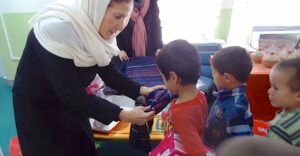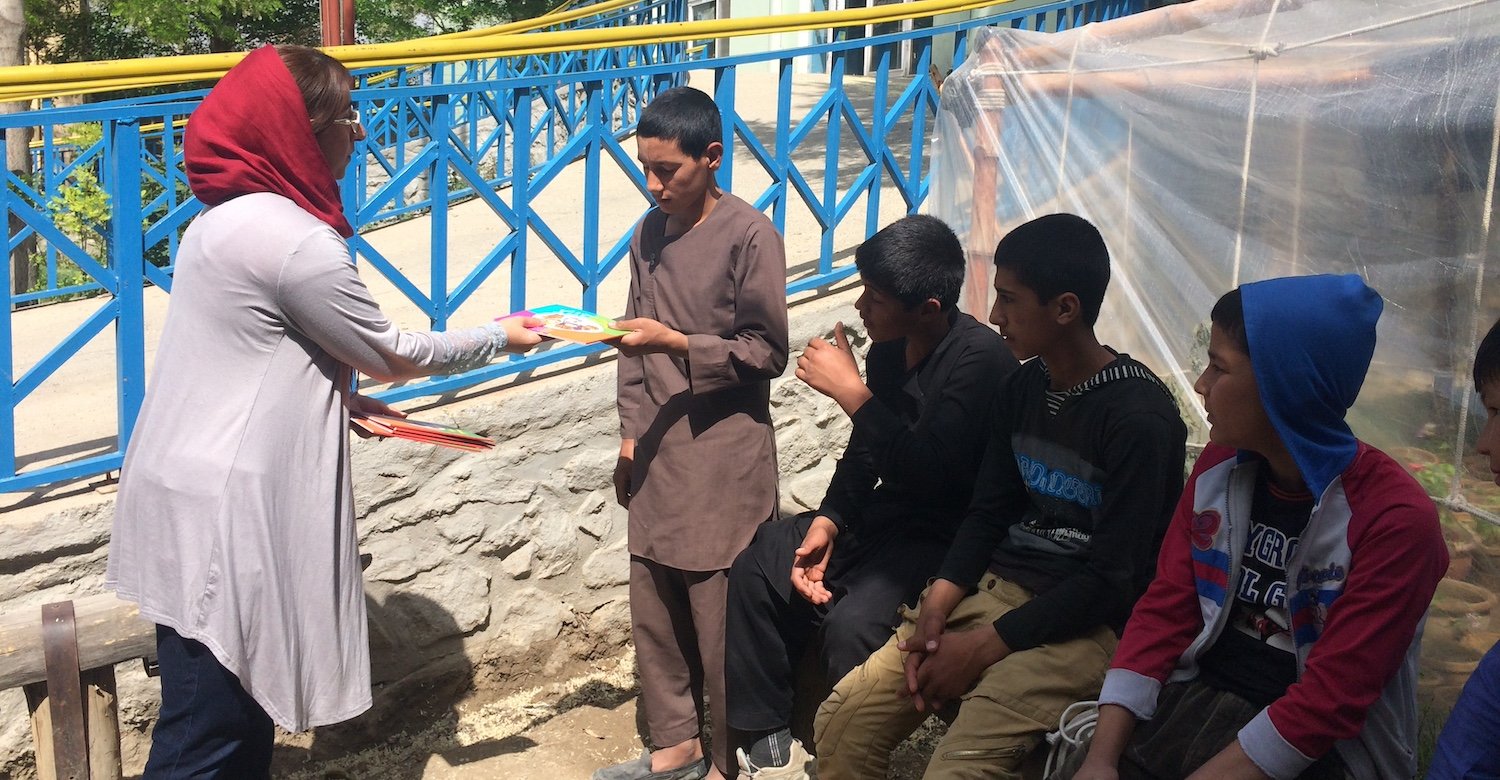
All proceeds from sales of the books go towards funding PAC projects and initiatives.
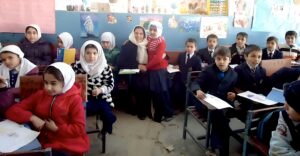
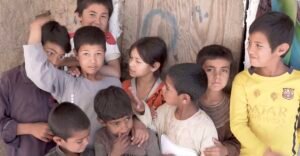
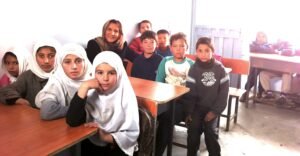
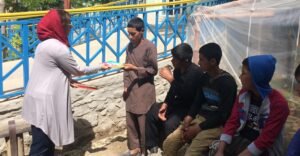
The books were translated into 2 languages and donated to schools in Afghanistan.
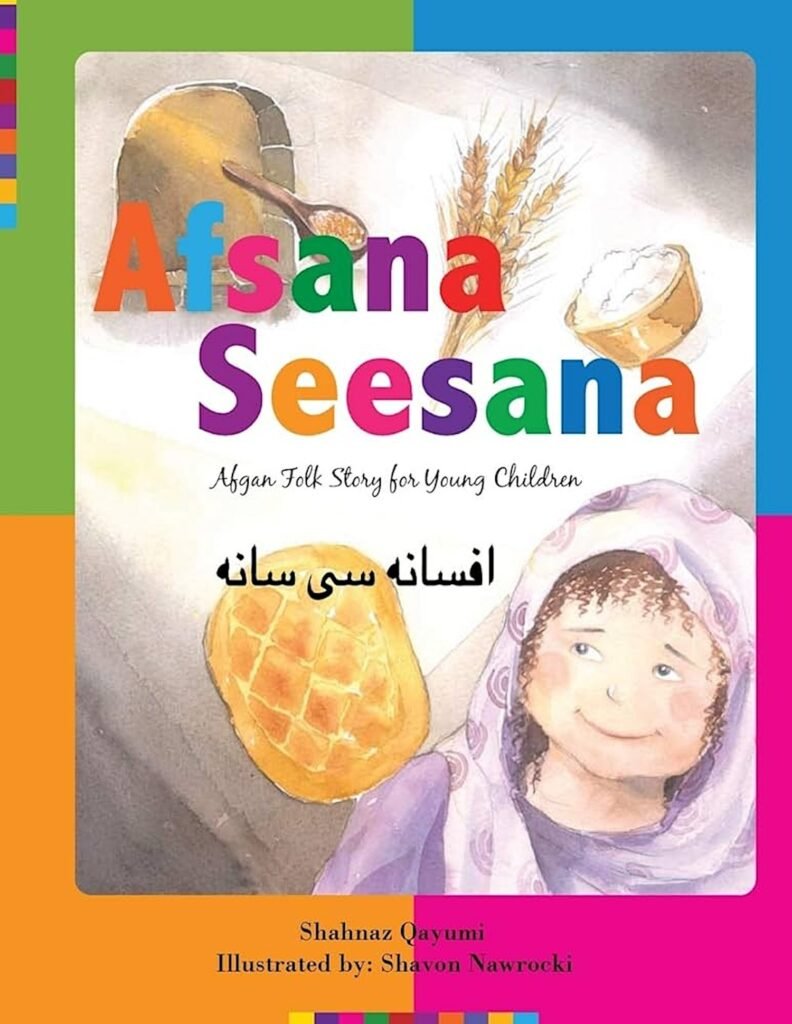
Afsana Seesana
Afsana Seesana is a famous Afghan folk nursery rhyme. (In the Dari language, the word “afsana” means story). In the past, literature was often written for children to learn the moral values of human relationships. In this context, Afsana Seesana promotes the magic of giving. In this book, children are encouraged to share their food, with the consequence of giving being divine blessing. In Afghan culture, sharing and giving is culturally and traditionally fostered from a very young age, which makes the sharing skill embedded in the hearts and souls of all Afghans. If you have a little or a lot or you are poor or rich, still you must share. Sharing is not only fostered in respect to food but also spaces, materials, and objects. It is hoped that the lesson of this story will foster the internal satisfaction of positive behaviour in children.
“Met an Old Farmer, gave him a spoonful to eat,
The Old Farmer gave me back a handful of wheat,”
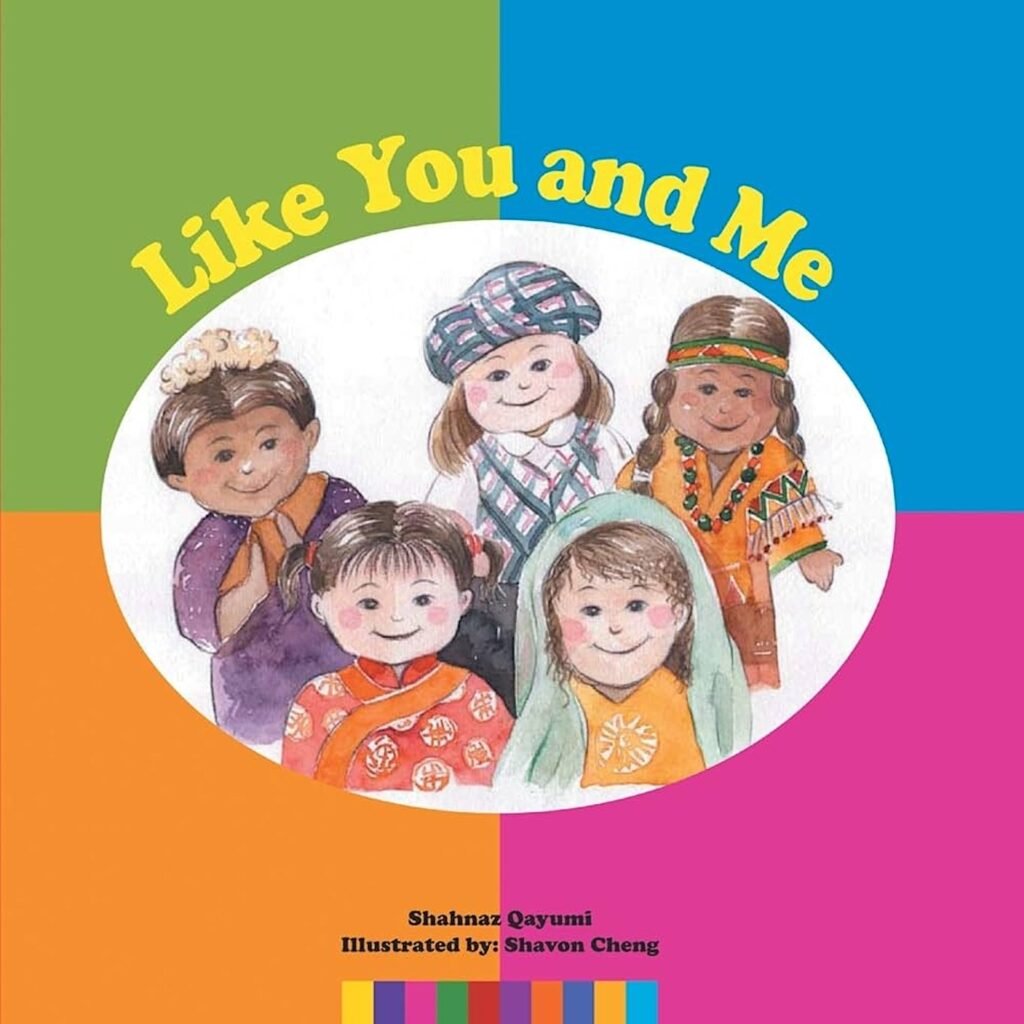
Like You and Me
“Like You and Me” written by Shahnaz Qayumi, M.A., is a book for children to explore and celebrate the vast diversity in our world.
As an early childhood educator and parent, Shahnaz Qayumi believes that we play a significant role in developing a child’s sense of acceptance, appreciation, and love. The earlier children are exposed to diversity in a positive light the more it will help our children admire the beauty in every culture. Children are not born with prejudices.
Please follow the Like You and Me fan page on Facebook
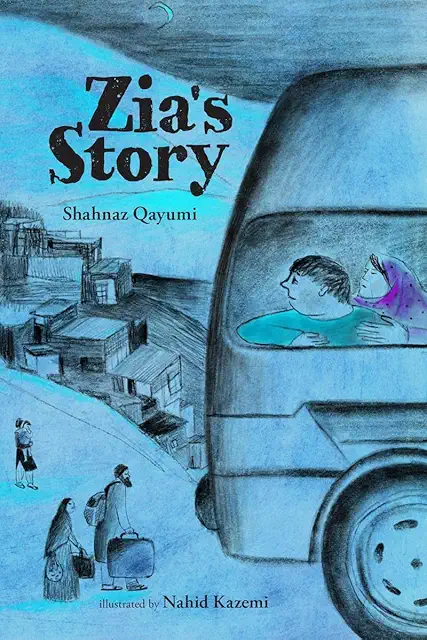
Zia's Story
“Take care of your mother,” twelve-year-old Zia’s father whispers to him just as he is arrested-never to be seen again. Soon afterward, the Russian army pulls out of Afghanistan, and the country falls into a devastating civil war.
The Taliban takes over, establishing a regime of great brutality and creating an atmosphere of fear-women are not allowed to work nor can girls go to school. Many thousands join the perilous journey to neighbouring Pakistan seeking refuge―Zia and his mother among them.
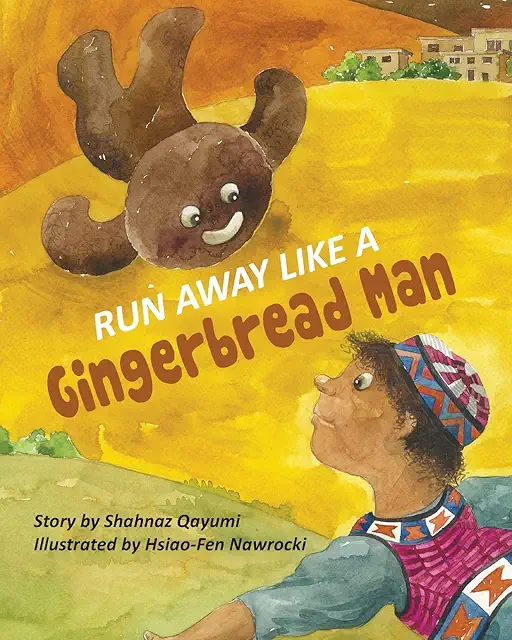
Run Away Like a Gingerbread Man
Run Away Like A Gingerbread Man tells the story of five-year-old Rustam, who lives with his mother in war-torn Afghanistan. When conditions at home become dangerous, they are forced to flee, and Rustam’s mother comforts him with her version of the Gingerbread Man fable. The rich fantasy helps Rustam cope with the challenges of their escape. In our multicultural society, it is extremely common for children to have left their original homes, friends, their toys and possessions behind to begin another life somewhere strange and new. Unfortunately, it is often the case that these children were forced to leave their homelands out of necessity, out of fear for their own safety and that of their families. The author was inspired to write this story after escaping from Afghanistan with her then six-year-old son.